Buy digitaltrends.eu ?
We are moving the project
digitaltrends.eu .
Are you interested in purchasing the domain
digitaltrends.eu ?
domain@kv-gmbh.de · 0541-91531010
Buy digitaltrends.eu ?
How do I form the going to future?
To form the going to future, you typically use the structure "am/is/are + going to + base form of the verb." For example, "I am going to study for my exam tomorrow." This tense is used to talk about future plans, intentions, or predictions based on present evidence. It is important to note that the going to future is different from the will future, which is used for spontaneous decisions or predictions. **
How do I form the going to-future?
To form the going to-future, you typically use the verb "to be" in the present tense (am, is, are) followed by "going to" and the base form of the main verb. For example, "I am going to study for my exam." This structure is used to talk about future plans or intentions that have already been decided or planned. **
Similar search terms for Going to
Top-Angebote
Products related to Going to:
-
Going to Church in Medieval England by Nicholas Orme - Illustrated History Paperback - 496 Pages - Yale University PressGoing to Church in Medieval England by Nicholas Orme is a comprehensive history of parish churches in England from the Anglo-Saxon period through the mid-sixteenth century. Written by leading medievalist Nicholas Orme, this 496-page paperback explores how parish churches were founded, staffed, and used, and how ordinary people, not just the clergy, shaped daily worship. It is an essential read for anyone interested in English religious and social history. Parish churches stood at the centre of English religious and social life throughout the Middle Ages and into the sixteenth century. In this study, Nicholas Orme explains how parish churches came into existence, who staffed them, and how their buildings were used by the communities around them. He examines who attended church, who stayed away, and how ordinary parishioners, not just the clergy, contributed to daily worship.9,99 £*Shipping: 2,99 £Secure redirect to the provider
-
Trapeze Undoctored by Adam Kay - The Story of a Medic Who Ran Out of Patients - Paperback Memoir - Sequel to This Is Going to HurtUndoctored is Adam Kay's follow-up to his phenomenon This Is Going to Hurt, picking up his story after he hung up his scrubs for good. Blending devastating honesty with his trademark dark wit, Kay revisits what leaving medicine really cost him, and what came after. This book is perfect for fans of NHS memoirs, readers who loved his first book, or anyone drawn to funny, human, unflinching non-fiction about career, identity, mental health and starting again from nothing. Adam Kay's diaries of life as a junior doctor in This Is Going to Hurt became a genuine cultural phenomenon and a hit BBC television series. Undoctored is the story of what came next: the reasons he left medicine, and the reckoning that followed. Kay pulls back the curtain on the events that pushed him out of the NHS, revisiting old wounds with a candour that is both poignant and thought-provoking. Published by Trapeze, this paperback book is a BRAND NEW edition with ISBN 9781398700383.2,99 £*Shipping: 2,99 £Secure redirect to the provider
-
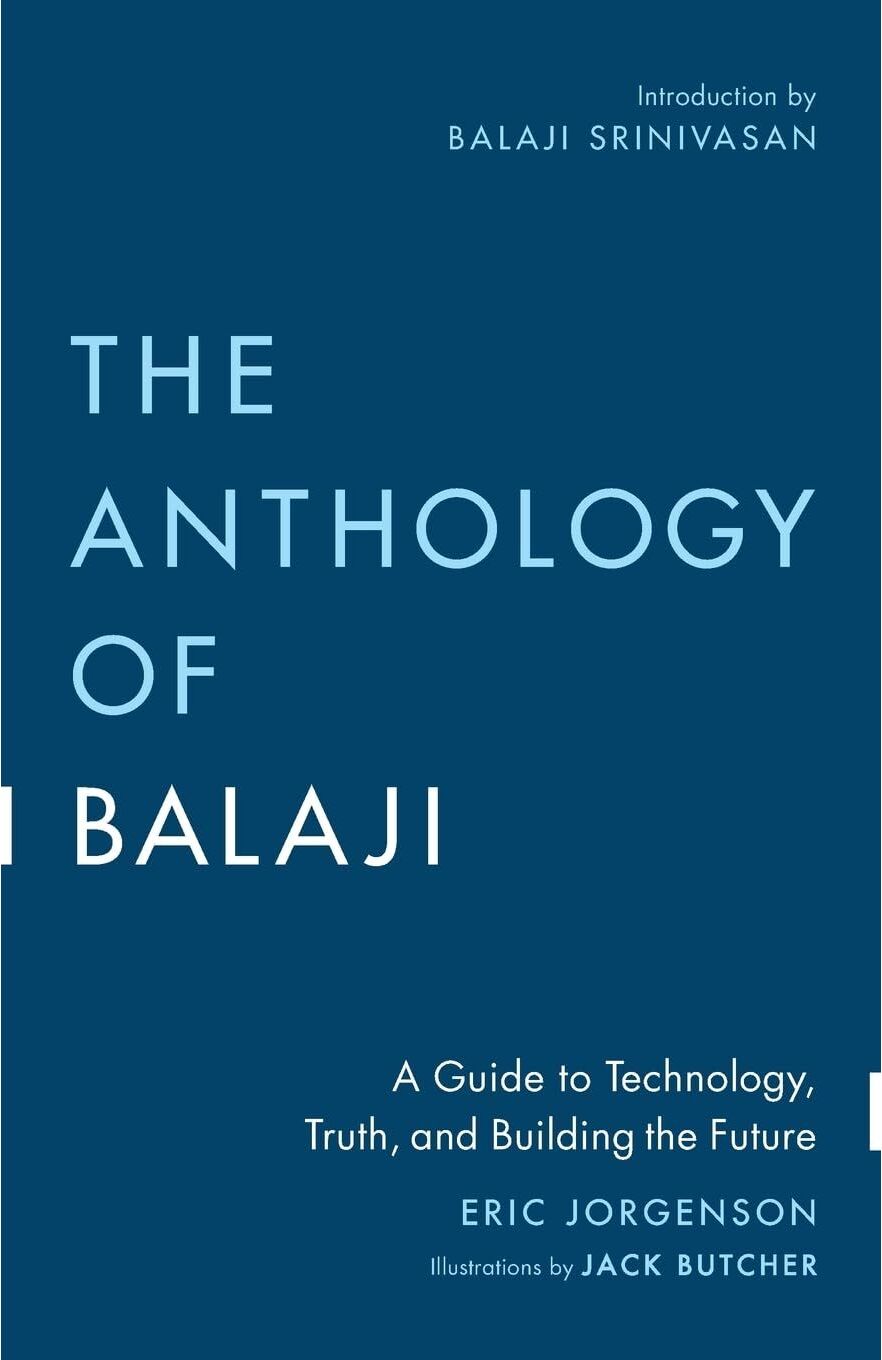
Magrathea Publishing The Anthology of Balaji: A Guide to Technology, Truth, and Building the FutureHow do you thrive in an unknown future? When you can’t see past the world we have now, look to visionaries like Balaji Srinivasan. His ideas show us how to build a healthier, brighter, and more technologically-advanced humanity. In The Anthology of Balaji: A Guide to Technology, Truth, and Building the Future, Eric Jorgenson curates a collection of Balaji’s wisdom from his entire career. In “Technology” you will see how technology shapes our world today and the ways it could shape our future. In “Truth” you learn how to think for yourself through the constant clamor of information and media. Finally, in “Building the Future,” you will learn how to wield Technology and Truth to change your life, change your community, and—maybe—change the future of our species. This guide will help you pick the next great investment, start a billion-dollar company, or even a new country. The Anthology of Balaji helps you visualize and build your brightest future.5,95 £*Shipping: 2,99 £Secure redirect to the provider


-
What is the going to future in German?
The going to future in German is formed using the verb "werden" (to become) followed by the infinitive form of the main verb. For example, "Ich werde spielen" means "I am going to play." This construction is used to express future actions or intentions, similar to the English "going to" construction. **
-
What is the difference between the will future and the going to future?
The main difference between the will future and the going to future is the level of certainty. The will future is used to make predictions or decisions at the moment of speaking, and it often implies less certainty about the future event. On the other hand, the going to future is used to talk about plans or intentions that have already been made, indicating a higher level of certainty. Additionally, the going to future is often used when there is evidence or indication that the future event will happen. **
-
What is the difference between the going to future and the will future?
The main difference between the going to future and the will future is the level of certainty. The going to future is used when there is evidence or intention to do something in the future, while the will future is used when there is a decision or prediction about the future. Additionally, the going to future is often used for planned or arranged future events, while the will future is used for spontaneous decisions or offers. Overall, the going to future implies a higher level of certainty, while the will future implies a lower level of certainty. **
-
What is the difference between 'going to' and 'will future'?
The main difference between "going to" and "will future" is the level of certainty. "Going to" is used when there is evidence or intention to do something in the future, while "will future" is used when making a prediction or decision at the moment of speaking. For example, "I am going to study for my exam" implies that there is a plan or intention to study, while "I will study for my exam" is a decision made at the moment of speaking. Additionally, "going to" is often used for future plans and arrangements, while "will future" is used for spontaneous decisions or predictions. **

Who is going to Lake Garda in the near future?
A group of friends from college is planning to visit Lake Garda in the near future. They have been looking forward to this trip for a long time and are excited to explore the beautiful surroundings and enjoy the activities the lake has to offer. They have already booked their accommodations and are making plans to visit the nearby towns and attractions during their stay. **
How is the going to future used in the past?
The going to future can be used in the past to talk about a future event that was planned or intended at a specific point in the past. For example, "I was going to visit my friend last weekend, but I got sick." In this sentence, the speaker had a plan to visit their friend in the future, but something prevented it from happening. The use of "was going to" indicates the intention or plan that existed in the past. **
Top-Angebote
Products related to Going to:
-
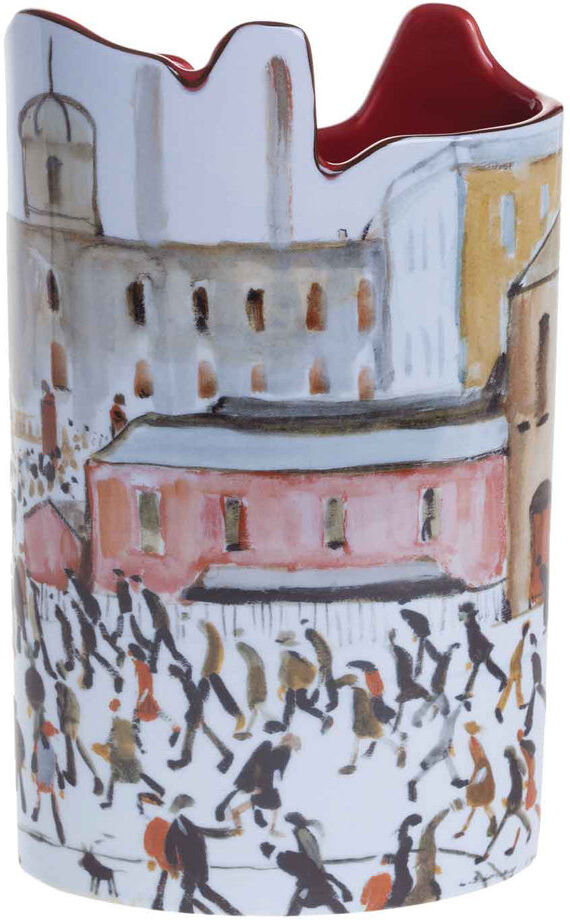
John Beswick, Lowry - Going to Work Vase 21cm H X 5.9cm W X 5.9cm DThis fine ceramic vase has been specially shaped to best feature this world-famous artwork. It will bring colour and interest to any part of the home. It depicts one of Lowry's most famous scenes of working class life in the early 20th century Lancashire. 21 x 12cm John Beswick43,63 £*Shipping: 4,99 £Secure redirect to the provider
-
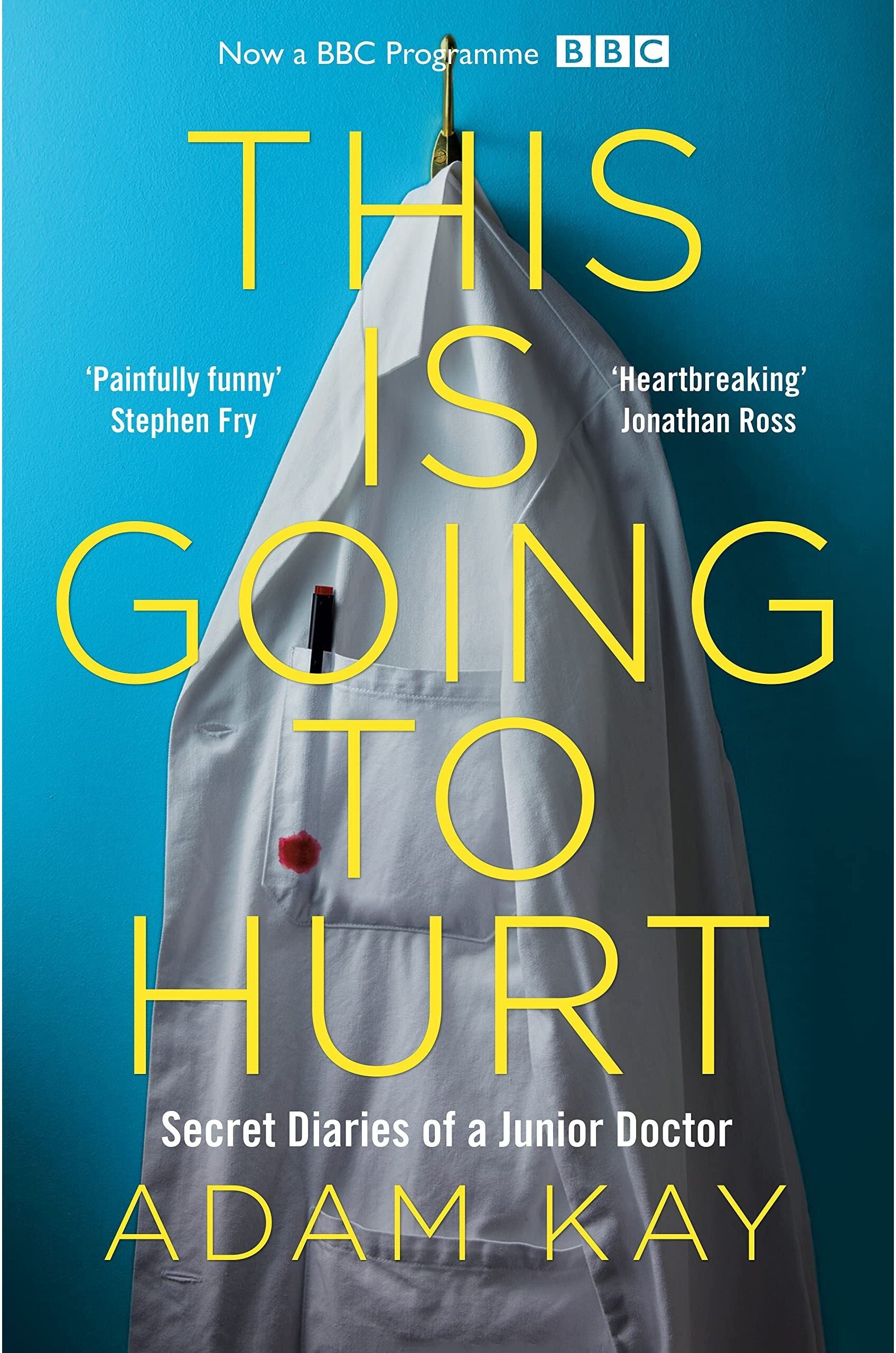
Picador This is Going to Hurt: Secret Diaries of a Junior Doctor By Adam KayWelcome to the life of a junior doctor: 97-hour weeks, life and death decisions, a constant tsunami of bodily fluids, and the hospital parking meter earns more than you. Scribbled in secret after endless days, sleepless nights and missed weekends, Adam Kay's This is Going to Hurt provides a no-holds-barred account of his time on the NHS front line. Hilarious, horrifying and heartbreaking, this diary is everything you wanted to know – and more than a few things you didn't – about life on and off the hospital ward. Sunday Times Number One Bestseller for over eight months and winner of a record FOUR National Book Awards: Book of the Year, Non-Fiction Book of the Year, New Writer of the Year and Zoe Ball Book Club Book of the Year. This edition includes extra diary entries and an afterword by the author.3,99 £*Shipping: 1,99 £Secure redirect to the provider
-
Going to Church in Medieval England by Nicholas Orme - Illustrated History Paperback - 496 Pages - Yale University PressGoing to Church in Medieval England by Nicholas Orme is a comprehensive history of parish churches in England from the Anglo-Saxon period through the mid-sixteenth century. Written by leading medievalist Nicholas Orme, this 496-page paperback explores how parish churches were founded, staffed, and used, and how ordinary people, not just the clergy, shaped daily worship. It is an essential read for anyone interested in English religious and social history. Parish churches stood at the centre of English religious and social life throughout the Middle Ages and into the sixteenth century. In this study, Nicholas Orme explains how parish churches came into existence, who staffed them, and how their buildings were used by the communities around them. He examines who attended church, who stayed away, and how ordinary parishioners, not just the clergy, contributed to daily worship.9,99 £*Shipping: 2,99 £Secure redirect to the provider
-
How do I form the going to future?
To form the going to future, you typically use the structure "am/is/are + going to + base form of the verb." For example, "I am going to study for my exam tomorrow." This tense is used to talk about future plans, intentions, or predictions based on present evidence. It is important to note that the going to future is different from the will future, which is used for spontaneous decisions or predictions. **
-
How do I form the going to-future?
To form the going to-future, you typically use the verb "to be" in the present tense (am, is, are) followed by "going to" and the base form of the main verb. For example, "I am going to study for my exam." This structure is used to talk about future plans or intentions that have already been decided or planned. **
-
What is the going to future in German?
The going to future in German is formed using the verb "werden" (to become) followed by the infinitive form of the main verb. For example, "Ich werde spielen" means "I am going to play." This construction is used to express future actions or intentions, similar to the English "going to" construction. **
-
What is the difference between the will future and the going to future?
The main difference between the will future and the going to future is the level of certainty. The will future is used to make predictions or decisions at the moment of speaking, and it often implies less certainty about the future event. On the other hand, the going to future is used to talk about plans or intentions that have already been made, indicating a higher level of certainty. Additionally, the going to future is often used when there is evidence or indication that the future event will happen. **
Similar search terms for Going to
-
Trapeze Undoctored by Adam Kay - The Story of a Medic Who Ran Out of Patients - Paperback Memoir - Sequel to This Is Going to HurtUndoctored is Adam Kay's follow-up to his phenomenon This Is Going to Hurt, picking up his story after he hung up his scrubs for good. Blending devastating honesty with his trademark dark wit, Kay revisits what leaving medicine really cost him, and what came after. This book is perfect for fans of NHS memoirs, readers who loved his first book, or anyone drawn to funny, human, unflinching non-fiction about career, identity, mental health and starting again from nothing. Adam Kay's diaries of life as a junior doctor in This Is Going to Hurt became a genuine cultural phenomenon and a hit BBC television series. Undoctored is the story of what came next: the reasons he left medicine, and the reckoning that followed. Kay pulls back the curtain on the events that pushed him out of the NHS, revisiting old wounds with a candour that is both poignant and thought-provoking. Published by Trapeze, this paperback book is a BRAND NEW edition with ISBN 9781398700383.2,99 £*Shipping: 2,99 £Secure redirect to the provider
-
Magrathea Publishing The Anthology of Balaji: A Guide to Technology, Truth, and Building the FutureHow do you thrive in an unknown future? When you can’t see past the world we have now, look to visionaries like Balaji Srinivasan. His ideas show us how to build a healthier, brighter, and more technologically-advanced humanity. In The Anthology of Balaji: A Guide to Technology, Truth, and Building the Future, Eric Jorgenson curates a collection of Balaji’s wisdom from his entire career. In “Technology” you will see how technology shapes our world today and the ways it could shape our future. In “Truth” you learn how to think for yourself through the constant clamor of information and media. Finally, in “Building the Future,” you will learn how to wield Technology and Truth to change your life, change your community, and—maybe—change the future of our species. This guide will help you pick the next great investment, start a billion-dollar company, or even a new country. The Anthology of Balaji helps you visualize and build your brightest future.5,95 £*Shipping: 2,99 £Secure redirect to the provider
-
Various Publishers This is Going to Hurt, Doctor You, Where Does It Hurt? & The Prison Doctor Final Sentence - 4 Book Paperback Medical Memoir Collection Set - AdultThis four-book paperback collection brings together some of the most talked-about names in real-life medical writing. From the wards of the NHS to the wings of a prison and the streets of outreach work, each author offers an unflinching, deeply human window into modern healthcare. Funny, moving and occasionally shocking, these memoirs and guides have resonated with readers who want more than a textbook view of medicine — they want the truth, told by the people who lived it. The collection includes 'This is Going to Hurt: Secret Diaries of a Junior Doctor' by Adam Kay, 'Doctor You' by Jeremy Howick, 'The Prison Doctor: The Final Sentence' by Dr Amanda Brown, and 'Where Does It Hurt?' by Max Pemberton. All four books are in brand new condition, published by various publishers, and suitable for adult readers.14,99 £*Shipping: 2,99 £Secure redirect to the provider
-
Affinity Software (1.10.6) Bundle CD Key (Lifetime / 5 Devices)Affinity Software 1.10.6 Bundle – Lifetime License for 5 Devices (Full Overview + Activation) Affinity 1.10.6 Bundle is a one-time purchase software suite from Serif , featuring three professional-grade creative applications: Affinity Photo , Affinity Designer , and Affinity Publisher . This bundle is ideal for creatives who want powerful tools without a subscription, offering lifetime access across multiple devices. Included Applications Affinity Photo – Advanced photo editing with RAW support, HDR merge, retouching, and batch processing Affinity Designer – Vector and raster design for branding, UI/UX, illustration, and concept art Affinity Publisher – Desktop publishing for books, magazines, marketing materials, and more License Details Version : 1.10.6 License Type : Lifetime (one-time payment) Device Limit : Up to 5 devices (Windows and/or macOS) Delivery : Digital download with CD key Key Features No subscription required – pay once, own forever Cross-platform support for Windows and macOS Offline activation available Optimized for multi-core CPUs and GPU acceleration Professional-grade performance for photo editing, graphic design, and publishing Activation Instructions Download the apps from the official https://affinity.serif.com/en-us/ or your retailer’s link Install Affinity Photo, Designer, and Publisher on your device(s) Launch each app and go to the activation or registration screen Enter your CD key and email address Click “Activate” to unlock the full version Repeat on up to 5 devices using the same license Ideal For Graphic designers and illustrators Photographers and editors Publishers and layout artists Students, educators, and freelancers Small businesses seeking affordable creative tools3,92 £*Shipping: 0,00 £Secure redirect to the provider
-
What is the difference between the going to future and the will future?
The main difference between the going to future and the will future is the level of certainty. The going to future is used when there is evidence or intention to do something in the future, while the will future is used when there is a decision or prediction about the future. Additionally, the going to future is often used for planned or arranged future events, while the will future is used for spontaneous decisions or offers. Overall, the going to future implies a higher level of certainty, while the will future implies a lower level of certainty. **
-
What is the difference between 'going to' and 'will future'?
The main difference between "going to" and "will future" is the level of certainty. "Going to" is used when there is evidence or intention to do something in the future, while "will future" is used when making a prediction or decision at the moment of speaking. For example, "I am going to study for my exam" implies that there is a plan or intention to study, while "I will study for my exam" is a decision made at the moment of speaking. Additionally, "going to" is often used for future plans and arrangements, while "will future" is used for spontaneous decisions or predictions. **
-
Who is going to Lake Garda in the near future?
A group of friends from college is planning to visit Lake Garda in the near future. They have been looking forward to this trip for a long time and are excited to explore the beautiful surroundings and enjoy the activities the lake has to offer. They have already booked their accommodations and are making plans to visit the nearby towns and attractions during their stay. **
-
How is the going to future used in the past?
The going to future can be used in the past to talk about a future event that was planned or intended at a specific point in the past. For example, "I was going to visit my friend last weekend, but I got sick." In this sentence, the speaker had a plan to visit their friend in the future, but something prevented it from happening. The use of "was going to" indicates the intention or plan that existed in the past. **
* All prices are inclusive of VAT and, if applicable, plus shipping costs. The offer information is based on the details provided by the respective shop and is updated through automated processes. Real-time updates do not occur, so deviations can occur in individual cases. ** Note: Parts of this content were created by AI.